
Is Winter a Good Time to Finish Your Basement?
The dropping temps and lack of outdoor fun are enough to push many housewives indoors to search for alternative methods of indoor space utilization. An unfinished basement presents a perfect opportunity if you want to create a cozy living quarters, entertainment room, or even a work-from-home corner.
Would winter be a good season to do the basement floor finishing?
It is! Winter is the most fitting time for basement finishes as most work will be done indoors. If you arrange and organize things properly with adequate temperature control and moisture handling, you do not have to wait for better weather to start your renovation work.
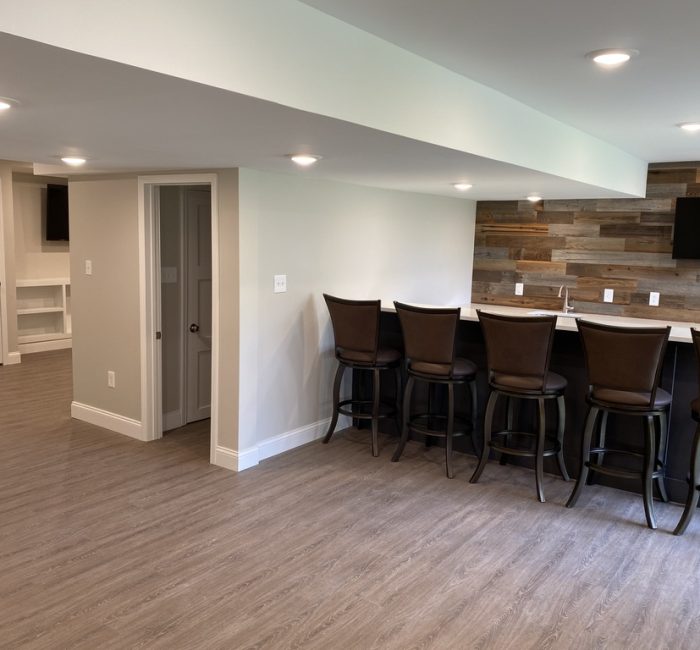
We are going to delve into why a winter time of renovation of your basement can be quite convenient and also outline what you are to take care of if you decide to start the work.
Why Winter Is a Good Time for Basement Finishing
Winter weather hardly affects basement work if you look at the construction work in the house. It is a time when most renovation projects are outdoors. Therefore, basement remodeling may be one of your last projects at home if you do not like finishing during the winter period. In fact, a few companies will shut down altogether during cold months but basement finishers will continue with their work, at least, as long as it is warm inside.
Lets find out the main reasons that might be compelling you toward finishing your basement in winter.
1. Make Better Use of Indoor Space
In winter it’s common for families to be mostly at home, therefore having an unfinished basement could give you the extra space you need without having to move out of your house.
Based on what you want to use the space for, you could change the basement into:
Family entertainment room
- Theater or game room for home use
- Personal home office
- Extra bedroom, depending on local regulations
- Room for children to play
- Workout or hobby room
Rather than letting your basement be a wasted space, you can use it for something that will help your family carry out daily tasks.
2. Work Can Continue During Cold Weather
In many cases, external home improvements are largely influenced by outdoor conditions. That said, basement finishing is an example of a project which will allow the vast majority of the work to be carried out under sheltered conditions indoors. Consequently, these activities like building the structural frame, insulation, wall boards, electrical installations, laying floor coverings, and interior painting can all take place successfully in winter.
Nevertheless, one should not forget the significance of keeping the indoor temperatures and air flow appropriate. Several products and coatings have drying and curing conditions that need to be met for them to work reliably.
3. Identifying Insulation and Comfort Problems
Freezing winter weather often gives homeowners a chance to pinpoint exactly where their basement feels unusually chilly or uncomfortable.
That is a good excuse to inspect these issues:
- Chilly walls in the basement
- Drafts coming from windows
- Floors that are not comfortable at all
- Inadequate insulation
- Variations in temperature among different rooms
You can resolve the problems by insulation, air sealing, and other measures with the help of a well-managed basement remodel.
4. Get Ahead of Spring Home Improvement Projects
Spring and summer are popular seasons for home improvement projects. Planning your basement renovation during winter can help you get ahead of the warmer-weather rush.
Starting the planning process early gives you more time to:
- Discuss your renovation ideas.
- Finalize your basement layout.
- Select flooring and finishing materials.
- Plan electrical and lighting requirements.
- Review project schedules and budgets.
Depending on contractor availability and project complexity, winter scheduling may also provide more flexibility.
Important Things to Consider Before Finishing Your Basement in Winter
Besides of many benefits of a winter basement renovation, your project will be successful only with the thorough preparation of the work.
The following are the main factors that should be taken into account at the beginning of the project before you set about the new walls, floors, or other finishes.
1. Check Moisture and Water Problems
Making sure basement surfaces and walls are dry can be one of the most important things to deal with before you begin to finish the space.
- Some ways it might show up moisture or water problems are:
- Water stains on foundation walls
- Muddy flooring or puddles
- Smells reminiscent of wet clothes
- Spot visible mold or mildew
- Cracks through which moisture is able to penetrate
- Flaked paint or salt-type deposits
Get to the bottom of the reason for any such water intrusion or moisture problem and eliminate the problem before the work of finishing the basement has begun.
Trying to work over these problems with the new finishes could result in worse damage and costly maintenance work down the line.
2. Plan Proper Basement Insulation
Basements can feel colder than other areas of the home because they are surrounded by soil and concrete foundation walls.
Proper insulation and air sealing can help create a more comfortable indoor environment.
Depending on your basement’s condition and design, your contractor may recommend:
- Appropriate foundation wall insulation
- Insulated flooring systems
- Air sealing around gaps and openings
- Improved window insulation
- Proper moisture-control materials
The right approach depends on the foundation, existing moisture conditions, and how you plan to use the finished space.
3. Maintain Proper Indoor Temperature
Cold temperatures can affect how certain construction materials perform.
For example, some adhesives, paints, joint compounds, and flooring products require specific temperature and humidity conditions during installation and curing.
Before starting your project, make sure the basement can maintain the conditions recommended by the manufacturers of the materials being used.
Proper ventilation and humidity control are also important throughout construction.
4. Consider Lighting and Ventilation
Many basements receive limited natural light, especially during winter when daylight hours are shorter.
A good basement design should include lighting that makes the space feel comfortable and functional.
Consider options such as:
- Recessed ceiling lights
- LED lighting
- Task lighting for work areas
- Accent lighting for entertainment spaces
- Well-planned window placement, where possible
Ventilation should also be considered to help maintain indoor air quality and manage moisture.
5. Permits and Building Regulations
Depending on the size of the renovation you may need various permits and inspections.
This will be more of an issue if you are:
- Adding a new room
- Adding new electrics
- Adding plumbing/bathroom
- Altering the structure
- Adding new windows/outside openings.
Local building regulations can vary so it would be best to contact the relevant authorities before beginning your build.
Basement Projects to Complete in Winter
There are many different projects you can complete during the winter to give your interior a facelift. It really depends on how much space, money and what you need for your family.
Here are a few popular ideas:
Basement Family Room
Turn your unfinished basement into a cozy room for the whole family to gather, watch movies and relax.
Ensure that you have lots of comfy flooring, good lighting and plenty of seating.
Basement Entertainment Room
A finished basement can be used as a place to watch movies, game and entertain people.
Add a media wall, entertainment storage and bespoke lighting to give a great atmosphere.
Basement Home Office
A basement can make a great home office if you need somewhere quiet to work.
Ensure there's good lighting, plenty of plug sockets, comfortable flooring and a layout that suits your working day.
Basement Bathroom or Guest Space
Adding a bathroom or guest area can make your basement more functional.
However, plumbing requirements, ventilation, ceiling height, and applicable building codes should be evaluated before planning this type of renovation.
Is winter basement renovations cheaper?
This may well depend on the following factors;
- Size of the basement and its current condition
- Number of framing and drywall jobs
- How much insulation you need
- Type of flooring and finishing materials
- Electrical and plumbing work
- Any bespoke items
- Permits and inspections needed.
Although some contractors will be busier in the colder months, the cost of materials and amount of labour required will affect how much you spend.
It’s best to know what you want to achieve and speak to an experienced renovation contractor about what’s needed.
Why Hire a Professional Basement Remodeling Contractor?
Finishing a basement involves more than installing drywall and choosing attractive flooring. It requires careful planning to ensure the space is comfortable, functional, and suitable for long-term use.
An experienced contractor can help you:
- Evaluate the existing basement condition.
- Identify potential moisture concerns.
- Plan an efficient floor layout.
- Select suitable insulation and finishing materials.
- Coordinate different stages of construction.
- Create a finished space that matches your needs.
Working with a professional also helps you avoid common mistakes that could affect the durability and comfort of your new living area.
Make Your Basements Functional This Winter
An unfinished basement can be transformed into a comfortable and functional area of your home over the winter. With careful planning, humidity control, insulation and professional craftsmanship you can create a space you can enjoy with your family throughout the year.
If you’re looking to renovate your basement in Wentzville, St. Charles or surrounding areas, Epoch Remodeling can help you look at your options.
Speak to Epoch Remodeling today about making the most out of your basement. We can help you with your basement finishing ideas.
Ready to Finish Your Basement?
Ready to make better use of your basement? Contact Epoch Remodeling to discuss your basement finishing ideas and take the next step toward a more functional home.
Frequently Asked Questions About Winter Basement Finishing
Can You Finish a Basement During Winter?
Yes. Most basement finishing work takes place indoors, so it can generally be completed during winter. Proper temperature, ventilation, and moisture management are important for a successful project.
Does Basement Finishing Take Longer in Winter?
Not necessarily. Project timelines depend on the size of the basement, construction requirements, material availability, and contractor scheduling. Cold temperatures may affect certain materials, so proper indoor conditions are important.
Should I Insulate My Basement Before Finishing It?
Yes, insulation should be considered as part of your basement finishing plan. The appropriate insulation system depends on the foundation, moisture conditions, and intended use of the space.
Can I Add a Bathroom While Finishing My Basement?
Yes, a basement bathroom can be included in many renovation projects. However, plumbing access, drainage, ventilation, permits, and local building requirements should be evaluated first.
What Should I Fix Before Starting a Basement Renovation?
Address water leaks, foundation moisture, drainage problems, and any visible mold or mildew before installing finishing materials. You should also consider radon testing and appropriate ventilation.
How Do I Get Started With a Basement Finishing Project?
Start by deciding how you want to use the space. Then evaluate your basement’s current condition, establish a budget, and consult a professional remodeling contractor to discuss the design and project requirements.
Request a Free, No Obligation Consultation
