
How to Prevent Moisture Problems Before Finishing Your Basement in Wentzville, MO
A finished basement can give you extra space within your home. Whether you are looking to create a living area, office, entertainment area or extra accommodation, finishing off your basement can be very beneficial.
Before putting any flooring in, or fitting in dry wall, it is important that there are no moisture issues. If there is dampness or excess moisture in your basement, this can cause damage to building materials, and can also make the space uncomfortable to use.
If you are looking to finish off your basement in Wentzville, MO, understanding how to avoid moisture issues in basements is an important consideration. By solving these moisture issues in advance of renovation, you can ensure that you get good value out of your investment, and have a comfortable basement.
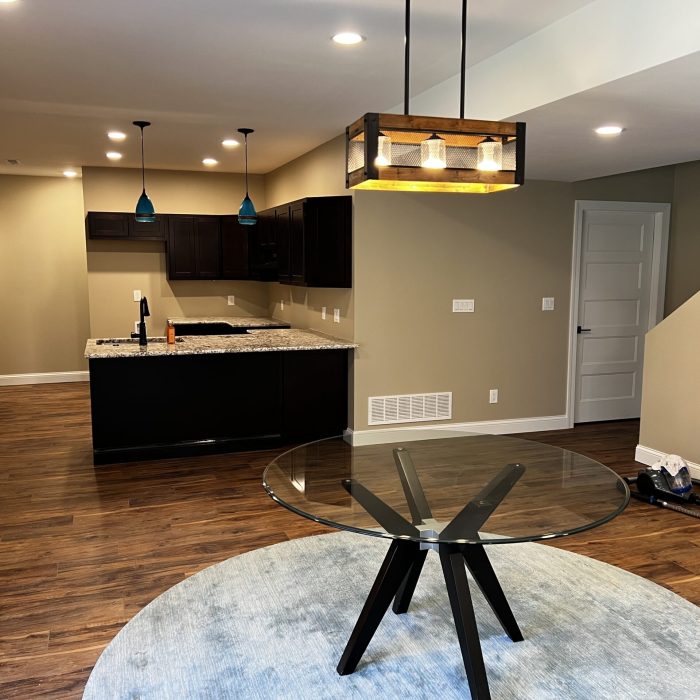
Why Basement Moisture Problems Should Be Addressed Before Remodeling
Moisture problems can occur in basements. Water can get into basement spaces through cracks in foundations, inadequate drainage and gaps around window frames.
Even if it appears dry, there may be humidity issues in the basement. These may become apparent during remodelling.
If you do not address any moisture issues in the basement before completing your project, you may suffer from:
- Damaged plasterboard and wood frame
- Warping to floorboards
- Unpleasant musty smell and uncomfortable environment
- Mould and mildew
- Paint peeling and damage to wall surfaces
- More repairs needed following the remodelling
By addressing such issues at an early stage, you will give yourself the best chance of having a finished space.
Common Causes of Basement Moisture in Wentzville Homes
Understanding where moisture comes from can help homeowners identify potential problems before starting a basement renovation.
1. Poor external drainage
If water is accumulating near the foundations of your house, this could cause excess moisture to be forced into your basement walls. This can occur due to blockages in gutters, short downspouts, and incorrect grading.
Ensure gutters are unblocked and downspouts direct water away from the foundations. Also, make sure the ground around your house slopes away from the building as much as possible.
2. Cracks in the Foundation
Water can seep into the basement through cracks in the foundations. Signs of water seepage include wet areas, damp patches and staining on basement walls and floors.
If there is a large amount of water entering the basement or it is a regular occurrence, consult a competent foundation or waterproofing expert.
3. Excess Humidity
Too much moisture inside the basement can lead to damp issues. This can be caused by inadequate ventilation, moisture in the home and poor air flow.
If you get the correct dehumidifier size, and good ventilation then you should be able to control excess humidity.
4 Condensation
In the winter months in Wentzville, the warmer air inside a building may cause condensation to occur on cold walls, flooring and pipework in the basement.
Condensation can lead to damp surfaces. If this occurs repeatedly it can cause damage to surrounding materials.
Signs of Basement Moisture Problems Every Homeowner Should Know
Before starting your basement finishing project, look for warning signs that may indicate excess moisture.
Some common signs include:
- Musty smells: A persistent damp or earthy odor may indicate hidden moisture.
- Water stains: Dark marks or discoloration on walls and floors can suggest previous or ongoing water intrusion.
- Peeling paint: Paint or wall finishes that bubble, crack, or peel may be exposed to moisture.
- White powdery deposits: White mineral deposits on masonry walls, sometimes called efflorescence, can indicate moisture movement through concrete or brick.
- Damp flooring: Wet spots or persistent dampness around basement floors should be investigated.
- Visible mold or mildew: Growth on walls, ceilings, or stored items can indicate a moisture problem.
If you notice these signs, identify and address the underlying cause before covering the surfaces with new materials.
How to Prevent Moisture Problems Before Finishing Your Basement
Taking preventive steps before remodeling can help protect your finished basement and reduce the risk of future damage.
1. Inspect Basement Walls and Floors
Check for damage in:
- Around junctions between foundation walls/ floors.
- Around the windows.
- In corners and behind stored objects.
- Around pipework and plumbing.
- Water pooling.
If there is regular leaking or large cracks in your basement, contact a professional to complete a survey prior to proceeding with renovation.
2. Improving external drainage
Ensure good drainage around the building:
Clear guttering.
- Lengthen down pipes to allow water to be directed away from the building.
- Ensure that earth is sloped away from the building.
- Ensure there are no pooling issues.
- If water is running towards the basement walls, this should be addressed.
This can reduce the amount of water reaching the foundations.
3. Control Humidity
Controlling humidity will ensure comfort in your basement, and protect remodelling materials.
A few tips to do this are:
- Use a dehumidifier
- Make use of a hygrometer to measure humidity levels
- Ensure adequate air circulation
- Fix any leaking pipes
- Do not store wet or damp materials in your basement.
The ideal indoor relative humidity within your property is typically between 30-50%, but may vary depending on time of year and conditions.
4. Choose Moisture Resistant Materials
Depending on the extent of dampness in your basement and how you intend to use the basement, consider the following moisture resistant materials.
Suitable floor finishes
- Suitable insulation for basement walls
- Suitable below ground materials
- Mould resistant plasterboard
- Correct sealants and finishing materials
It is very important to note that using moisture resistant materials in these areas does not replace rectifying leakages or water ingress.
5. Ventilation and insulation
Proper ventilation and insulation will be important in your basement. Improper insulation/ventilation may cause condensation within walls and enclosed areas.
Once you have finished putting on plasterboard, ensure that the construction of the basement has been suitable for below ground level. It may be useful to consult a competent renovation professional to ensure you are using the correct method for your home.
Why Moisture Control Matters for Your Basement Remodeling Project
Making sure you prevent water issues in your basement early on will allow you to make more informed decisions including:
- Flooring and Walling Solutions
- Insulation and Framing
- Lighting and Electrical Installations
- Storage and Living Space Design
- Maintenance of your basement
These considerations in Wentzville can mean that you have a much more comfortable, functional and practical basement to use as living space in your home.
When Should You Call a Professional?
If any of these issues occur:
- Water is getting into the foundations.
- Floods are recurring in the basement.
- There are large, or increasing cracks in the foundations.
- Persistent damp/mould smells or visible mould.
- Recurring water staining.
- Damp persists even with a dehumidifier.
Then you should seek advice from an experienced water proofing or foundation expert. They will be able to identify the cause of water ingress, and advise what repair work should be carried out.
Once these issues have been resolved, you can begin planning to finish the basement.
Frequently Asked Questions About Basement Moisture Control
Why does my basement feel damp even when there is no visible water?
High indoor humidity, condensation, limited air circulation, or hidden leaks can make a basement feel damp. Checking humidity levels and inspecting walls, floors, and plumbing can help identify the cause.
What humidity level should I maintain in my basement?
A relative humidity level between 30% and 50% is a commonly recommended indoor target. A dehumidifier can help maintain a comfortable level when basement humidity is too high.
Should I waterproof my basement before finishing it?
If your basement has recurring water intrusion, leaks, or significant dampness, the underlying issue should be evaluated and addressed before finishing. Covering wet walls or floors with new materials can lead to further damage.
Can I install flooring over a damp basement floor?
It is not recommended to install new flooring over a damp or wet surface without identifying the cause. Moisture can damage flooring materials and affect the finished space.
Is basement moisture a common concern in Wentzville, MO?
Basement moisture can affect homes in Wentzville, particularly during periods of heavy rain, seasonal temperature changes, and high humidity. Proper drainage, moisture inspections, and humidity management can help reduce the risk.
How do I prepare my basement for a remodeling project?
Start by inspecting the basement for leaks, cracks, dampness, and condensation. Address any moisture concerns, review drainage, and plan suitable insulation, flooring, and finishing materials before construction begins.
Request a Free, No Obligation Consultation
