
Common Mistakes to Avoid When Planning a Room Addition in Wentzville
Wentzville room addition planning involves thorough planning, awareness with local building codes, and coordination with professional Wentzville home addition contractors. Wentzville homeowners ought to seek local experts who are aware of regional ordinances and neighborhood property standards, as zoning laws, permit approvals, and building dates vary from city to city. An executed home addition project will improve utility and property value while ensuring a smooth transition.
The most frequent errors homeowners make when designing room extensions are listed here, along with tips on how to avoid them.
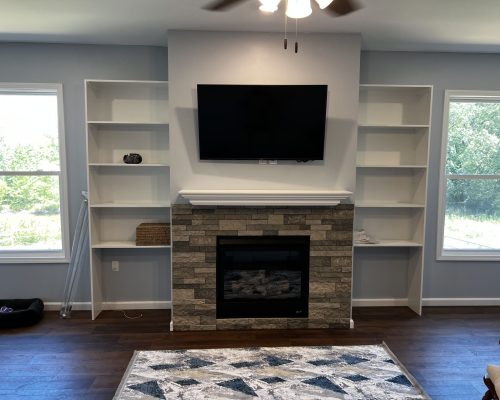
1. Not Clearly Outlining the Addition's Goal
One common error is to begin development without a clear plan for the new space’s use. The purpose of the space impacts structural planning, utilities, lighting, including layout, either you’re creating an office, bedroom, or dining room addition.
Home addition builders may generate more successful plans and avoid later, unnecessary redesigns by clearly stating their objectives.
2. Underestimating the entire budget
Many homeowners overlook design fees, permits, inspections, material upgrades, and finishing details in favor of calculating merely the apparent construction cost. This frequently results in budget deficits in the middle of a project.
Smart budgeting tips:
- Include a 10–20% contingency fund
- Request detailed cost estimates
- Make a budget for finishing expenses like paint, flooring, and fittings.
A budget that is properly organized reduces the stress caused by your room extension project.
3. Employing Unskilled Contractors
Selecting contractors only on the basis of price may lead to subpar work, hold-ups, or infractions of the code. Zoning regulations, structural specifications, and effective building techniques are all understood by skilled home addition contractors.
Before hiring:
- Check licenses and insurance
- Review previous projects
- Request written timetables and contracts.
The secret to a successful room addition is a trustworthy contractor.
4. Disregarding local laws and building permits
Although skipping permits could seem like a helpful measure, acting so can result in penalties, delays in the project, or concerns with future resale. Before construction starts, always clarify setback guidelines, height requirements, and zoning constraints.
Permit use is typically dealt with by licensed building professionals, who make sure your house addition meets with all applicable laws.
5. Poor Design Integration With the Existing Home
A room addition needs to appear to have been a part of the legislature from the beginning. Inadequate scheduling might give rise to uneven interior finishes, uneasy transitions, or mismatched roofing.
To maintain design continuity:
- Match exterior materials and rooflines
- Maintain consistent flooring and design styles
- Make sure that traffic goes freely between rooms.
Well-thought-out home remodeling projects boost the value for the house and promote comfort.
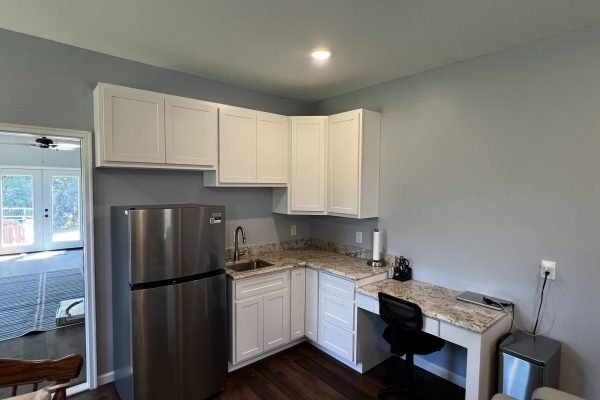
6. Ignoring Future Requirements
Many homeowners base their lodgings’ additional designs solely on their present requirements. Future changes in lifestyle, such as remote work, having more children, or preferring to get older in place, can have an effect on how the space is used.
Long-term value goes up by flexible layouts which permit the available room to be used for any number of purposes over time.
7. Neglecting Structural and Utility Needs
Improvements to insulation, plumbing connections, HVAC extensions, and electric wiring are frequently necessary for room additions. Early neglect of these elements can end up in costly adjustments down the road.
To guarantee a seamless integration with current systems, talk about infrastructure requirements with your house addition contractors throughout the planning phase.
8. Unrealistic Project Timelines
Weather, material availability, permit approvals, and design complex can all affect schedules of construction. Homeowners often become annoyed by unrealistic expectations.
Request a clear timeline that includes:
- Design and planning phase
- Permit approval period
- Construction stages
- Final inspection
Understanding the schedule helps homeowners prepare properly.
9. Overbuilding Beyond Neighborhood Standards
Large or luxury Room Additions may not always deliver the expected return on investment if they significantly exceed neighborhood property values. Researching local home sizes and pricing helps ensure balanced planning that supports resale value.
10. Ignoring Expert Consultation and Planning
While some homeowners try to cut costs through carrying out their own planning, hiring a professional architect and contractor can often result in long-term cost savings. Professional assistance with layout improvement, structural problem prevention, and building code compliance.
Your addition can be secure, successful, and visually integrated with the existing structure if you work with competent home addition professionals.
Conclusion
Though careful planning is necessary for success, room extensions are among the greatest methods to expand living space and raise the value of a property. Project results can be drastically improved by avoiding regular mistakes including inappropriate budgeting, deleting permissions, employing unskilled contractors, or neglecting infrastructure requirements. Your room additions can offer long-lasting comfort, usefulness, and financial worth with careful planning and advice from experts.
Planning a room addition? Work with trusted home addition contractors to design and build a seamless expansion that fits your needs and budget.
Start Your Home Transformation Today
It’s a big decision to decide between remodeling and reconstructing, but skilled guidance makes it a lot simpler. Which strategy best suits the state of your property, your lifestyle goals and your financial limitations can be identified through the aid of a professional assessment.
Frequently Asked Questions for Room Additions in Wentzville
How much do Room Additions cost in Wentzville?
The size, materials, intricacy of the design, and necessary utilities like plumbing or electrical work all affect the price that a room addition in Wentzville is going to cost. Ideally, homeowners should create a flexible budget that includes labor, permits, and finishing cost.
What is the average duration of a room addition project?
Depending on the planning stage, permit approvals, weather, and construction complexity, the majority of chamber increase projects take two to six months to finish up. It might reconsider longer for larger or second-story extensions.
Do I need permits for a room addition in Wentzville?
Yes, large home alterations, plumbing, electrical, and masonry changes typically require building permits. In order to conform to neighborhood regulations, professional Wentzville house addition contractors generally accompany homeowners with permit applications and inspections.
How do I choose the right home addition contractor?
Seek out contractors who are insured and licensed, have an impressive portfolio of finished room additions, good client feedback, and quite a bit of local experience. Before beginning the job, insist on explicit contracts, timelines, and written estimates.
Can a room addition be designed to match my existing home?
Absolutely. Skilled home addition contractors ensure that roofing, exterior materials, flooring, and interior design elements match your existing home so the new space blends seamlessly with the original structure.