
Permits & Regulations for Home Remodeling in St. Louis County
One of the most thrilling and life-changing investments you’ll make is remodeling your house, especially since it contains high-impact areas like your basement, bathrooms, or kitchen transformation in St. Louis. However, it’s critical to be familiar with the permits and rules for home remodeling in St. Louis, Missouri, before you swing that sledgehammer or knock a wall. In addition to establishing conformance to regional ordinances, understanding the city’s requirements saves your safety, avoids costly fines, and retains the value of your property.
As reputable St. Louis remodeling contractors, we’ll go down everything you need to know about permits, including when and how to obtain them for a successful St. Louis remodeling project.
Why St. Louis Home Remodeling Permits Are Important
When homeowners contemplate remodeling, they generally imagine design trends, fixtures, and finishes. However, they often neglect knowing that many structural and technical improvements require permits from the city of St. Louis. Permits are legal authorizations that guarantee the following; they are not arbitrary obstacles.
- Your project conforms to regional safety regulations and building codes.
- Work is inspected by qualified professionals
- Your home retains its value and marketability
- Future buyers won’t challenge your improvements due to lack of permits
notably, unapproved design could result in charges or the forcible removal of finished renovations. Securing the necessary permits up front is essential for major remodeling, especially in kitchens, bathrooms, and basements.
Common Remodels That Require Permits in St. Louis
What follows are the most typical locations in St. Louis, Missouri, where permits are necessary for residence remodeling:
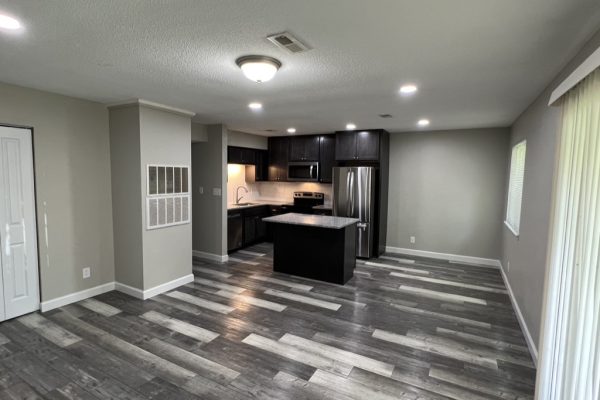
1. St. Louis Kitchen Remodeling
Although being at the heart of your property, your kitchen is one of the areas with the strictest building permit restrictions.
When a permit is necessary:
- Structural changes
- Electrical upgrades
- Plumbing changes
- Gas line modifications
Permits may be necessary for even esthetic changes such as replacing countertops or cabinets, if they include removing utilities or modifying structural support. By working with a skilled St. Louis remodeling contractor, you can circumvent future significant expenses by ensuring that all required permits are obtained before work starts.
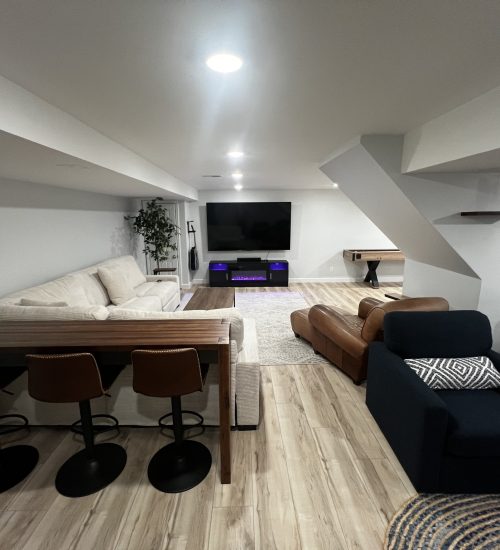
2. Basement Remodeling
Transforming an unfinished basement into a living space is one of the most popular remodeling choices in St. Louis — but it also involves strict regulations.
Typical basement remodel scenarios needing permits:
- Adding basement bedrooms
- Installing egress windows
- Adding walls and finish work
- Including bathroom or spaces for laundry
Permits for upgrades to the HVAC, plumbing, electrical, and emergency ventilation systems may also be required for a basement. Avoiding permits can result in unsafe living situations or failed inspections when the city wants finished basements to meet building standards equivalent to those of above-grade spaces.
3. Bathroom Remodeling
Bathrooms are another highly regulated interior space because of their involvement with plumbing, electrical systems, and ventilation.
Permits are needed for the following bathroom work:
- Changing a shower, toilet, sink, or bathtub
- Plumbing line addition or rerouting
- Installing new electrical fittings or ventilation fans
- Reorganizing or enlarging space
Systems that demand movement often come into contact with seemingly insignificant duties, for instance revising the layout. Thus, using a qualified St. Louis remodeling contractor makes certain that the necessary inspections are scheduled and executed out.
How Permits Are Processed in St. Louis
Understanding the city’s process helps homeowners plan their projects more effectively:
1. Application Submission
Before any major construction begins, you or your contractor must submit a permit application to the City of St. Louis Building Division. This usually includes:
- Property address and owner information
- Detailed plans and scope of proposed work
- Structural, mechanical, electrical and plumbing drawings as needed
- Permit fees
For complex remodels — like reconfiguring your kitchen or adding an egress window in your basement — your St. Louis remodeling contractor often handles paperwork on your behalf.
2. Plan Review
After your designs are submitted, municipal officials examine them to ensure they adhere to safety regulations, zoning regulations, and building requirements. Depending on the extent of the job, this step may take a few days or weeks.
Revisions may be asked for if the plans don’t satisfy certain conditions. A competent contractor foresees typical problems and creates paperwork to expedite approval.
3. Approval of Permits and Posting
Before work starts, the permit must be prominently displayed at the job site after it has been authorized. Inspectors and officials are informed that your project is approved and under observation by this visible authorization.
4. Inspections During Construction
Permits frequently phone to perform multiple inspections at various stages of the project:
- Rough-in inspections—plumbing, electrical, and HVAC—prior to wall completion
- Framing inspections: before to insulation but following structural framing
- Final inspections following the completion of all work
Every inspection verifies that the work complies with the code. Experienced contractors arrange work to pass the first time because failed inspections sometimes call for adjustments.
Permits vs. No Permits: The Risks
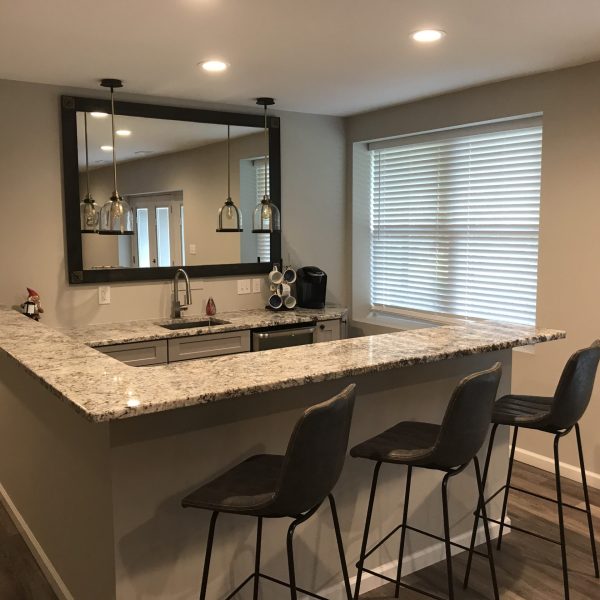
Some homeowners attempt to avoid permits to save money or accelerate timelines — but the long-term risks can outweigh any short-term benefits.
Risks of Unpermitted Work:
- Fines and penalties from the city
- Forced removal of completed work
- Problems with insurance claims
- Issues when selling your home
- Possible risks to safety, such as structural failure or electrical fires
For instance, moving gas lines during an unapproved kitchen makeover in St. Louis could put your home in danger and be against safety regulations. Not only could insurance deny claims for incidents related to unpermitted work — but future buyers may request that all improvements be brought up to code before closing.
Working With a Licensed St. Louis Remodeling Contractor
Permits are one part of a larger, more complex remodeling puzzle. Hiring a professional ensures your project is built right — and built legally.
What a Good Contractor Provides:
- Expert understanding of local building codes
- Accurate permit application and documentation
- Detailed project planning to avoid costly delays
- Coordination of inspections and revisions
Expert, authorized craftsman for structural, plumbing, and electrical work
You're buying peace of mind when you engage with a competent St. Louis renovation contractor. Specialists predict obstacles, handle legal obligations, and produce quality that respects your vision and legal needs.
Tips for a Smooth Permit Process
Permits for permits are complicated, particularly when conducting intricate work in the kitchen, bathroom, or basement. Forwarded renovation delays, plan before hand.
Incomplete or vague plans often lead to rejections. Collaborate with your contractor to provide thorough documentation.
A skilled contractor can save all of these things when their employees are cognizant of what the city expects.
Schedule work in phases so that inspectors can access required areas without disrupting your timeline.
Concluding Remarks
One of the most satisfying ways to enhance your home is to remodel your kitchen, basement, or bathroom, especially in a busy city like St. Louis. Still, nothing could stop momentum like sudden regulatory obstacles or significant rewrites caused through a lack of permits.. You can have a wonderful, satisfying makeover with the correct strategy, professional advice, and a deep comprehension of local regulations.
Your remodeling will stand out for quality and peace of mind if you prioritize permits and collaborate with knowledgeable experts.
Ready to Start Your Remodeling Project?
Whether you’re planning a kitchen renovation in St. Louis, upgrading your basement, or remodeling your bathrooms — we’re here to help!
Frequently Asked Questions for Room Additions in Wentzville
How much do Room Additions cost in Wentzville?
The size, materials, intricacy of the design, and necessary utilities like plumbing or electrical work all affect the price that a room addition in Wentzville is going to cost. Ideally, homeowners should create a flexible budget that includes labor, permits, and finishing cost.
What is the average duration of a room addition project?
Depending on the planning stage, permit approvals, weather, and construction complexity, the majority of chamber increase projects take two to six months to finish up. It might reconsider longer for larger or second-story extensions.
Do I need permits for a room addition in Wentzville?
Yes, large home alterations, plumbing, electrical, and masonry changes typically require building permits. In order to conform to neighborhood regulations, professional Wentzville house addition contractors generally accompany homeowners with permit applications and inspections.
How do I choose the right home addition contractor?
Seek out contractors who are insured and licensed, have an impressive portfolio of finished room additions, good client feedback, and quite a bit of local experience. Before beginning the job, insist on explicit contracts, timelines, and written estimates.
Can a room addition be designed to match my existing home?
Absolutely. Skilled home addition contractors ensure that roofing, exterior materials, flooring, and interior design elements match your existing home so the new space blends seamlessly with the original structure.