
How to Balance Style, Function, and Budget During a Home Renovation in New London, MO
A successful home renovation is not only about selecting the most appealing finishes. Ideally, all home improvement projects should balance the need to create beautiful spaces that serve their intended purpose while also being completed within the set budget. For the homeowners that want to consider home renovation in New London, this strategy will help to achieve the best results
while considering the most important factors!
Whatever renovation the owners choose to address, the balanced approach will help them to get the best result in terms of functionality and appearance while staying within the budget. It is a good idea for the project to begin with a list of requirements and research on materials and furniture that will suit the desired functionality without breaking the budget.
Latest Posts
Start With What Your Home Needs Most
Examine how your house now works before selecting paint colors, floors, cabinetry, or fixtures.
Ask yourself:
- Which rooms feel outdated?
- Where do you lack storage?
- Are certain areas difficult to use?
- Does the current layout fit your household?
- Which improvements would make everyday life easier?
- Which cosmetic changes are simply wants rather than necessities?
This process separates functional priorities from aesthetic preferences.
For example, replacing an outdated finish may improve appearance, but changing an inefficient kitchen layout could have a much greater impact on how you use the space every day.
A Simple Priority Test
For each potential renovation idea, consider:
Does it solve a problem? → Does it improve daily use? → Does it fit the home’s style? → Does it fit the budget?
The projects that answer “yes” most often should generally receive greater priority.
Think Function First, Then Build the Style Around It
Style is important, but a beautifully appointed room that is poorly designed can be unforgiving. During home remodeling in New London think about how people really live in the space.
| In a Kitchen | In a Bathroom | In a Basement |
|---|---|---|
| Think about: | Consider: | Think about: |
| Counter space | Storage | Intended use |
| Cabinet storage | Shower and tub placement | Lighting |
| Appliance placement | Lighting | Storage |
| Walkways | Ventilation | Seating |
| Lighting | Accessibility | Flooring |
| Seating | Daily traffic | Moisture considerations |
| Food preparation areas | Future flexibility |
Once these functional decisions are established, finishes and decorative details can reinforce the overall design.
The goal isn’t to choose between style and function. It’s to make the two work together.
Build a Budget Around Priorities, Not Trends
One of the easiest ways to lose control of a renovation budget is to begin choosing products before establishing financial priorities.
Instead, divide your renovation into three categories:
| Priority | What It Includes |
|---|---|
| Must Have | Necessary repairs, layout improvements, safety-related work, essential updates |
| Would Like | Upgraded fixtures, premium finishes, additional storage, design enhancements |
| Optional | Trend-driven features or upgrades that can be added if the budget allows |
This gives you flexibility without losing sight of the overall project.
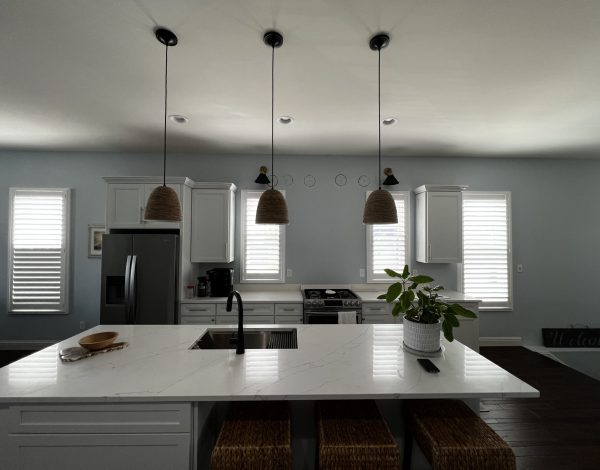
For example, if improved kitchen storage is a major priority, you may decide to invest more in cabinetry while selecting a moderately priced backsplash or countertop.
Why This Approach Works
A renovation budget should be based on the value of the impact it is expected to have, rather than just the cost of individual items
The right remodeling contractor can advise you as to what you should invest more in and what can get by with a less expensive option.
Spend More Where It Matters Most
Not every element of a renovation needs to receive the same level of investment.
Consider putting more of your budget toward features that are:
- Used every day
- Difficult to replace later
- Important to the home’s function
- Subject to significant wear
- Important to long-term durability
You may be able to save on decorative accessories, certain finishes, or easily replaceable design elements.
This creates a useful principle:
Invest in what is difficult to change. Save on what is easy to change.
Cabinet layouts, plumbing locations, flooring installation, and structural changes may deserve more planning than accessories or temporary design trends.
Choose a Design That Works With Your Home
Renovation should be seen as improvement to the existing property. Therefore, when thinking of home renovation in New London, take into account the:
- Age
- Existing architectural details
- Floor plan
- Natural lighting
- Exterior appearance
- Existing materials
- Neighborhood character
This does not mean your renovation needs to look traditional. It simply means the new design should make sense within the existing home.
Know Where Your Budget Can Change
Renovation projects can change at every stage, from opening up walls to choosing materials. Therefore, it is unwise to fix your renovation budget at a figure decided at one moment in time.
Instead, establish:
Your Target Budget
The amount you ideally want the project to cost.
Your Comfortable Maximum
The amount you can reasonably spend without creating financial strain.
Your Contingency
Money reserved for unexpected conditions or necessary changes.
Having these numbers established before construction begins gives you a better framework for making decisions if circumstances change.
Work With the Right Remodeling Professional
A qualified renovation contractor can help homeowners evaluate the relationship between design decisions, construction requirements, materials, labor, and budget.
When comparing a remodeling contractor, look for someone who can:
- Explain the scope of work clearly
- Discuss realistic project priorities
- Provide a detailed estimate
- Identify potential challenges
- Help coordinate different aspects of the renovation
- Communicate throughout the project
- Show relevant experience with similar remodeling work
A Practical Way to Make Renovation Decisions
When in doubt about whether an upgrade is suitable for your renovation, ask yourself these questions:
Need → Use → Impact → Cost
Need: Is there a problem that needs solving?
Use: How often will it be used?
Impact: Does it have a big impact on (your) comfort/function/appearance/durability?
Cost: Is it worth the amount it’s going to take away from the renovation budget?
If an upgrade passes all these tests, it’s probably a good value to consider.
How Epoch Remodeling Can Help With Home Renovation in New London
While there are numerous factors to consider while planning a renovation, such as the location and the materials or the chosen priorities and project’s scope, Epoch Remodeling will assist you in making wiser choices while remodeling your house. We believe in making your renovation as cost-effective and practical as possible while still being beautiful and well-designed.
No matter what your project is, be it in the kitchen, bathrooms, basement finishing, interior renovation or something else, we will help you bring it to life within your desired budget.
Ready to turn your renovation ideas into a practical plan?
Frequently Asked Questions About Home Renovation in New London, MO
How do I balance style and budget during a home renovation?
Start by identifying functional priorities and setting a realistic budget. Invest more in structural, functional, and frequently used features while using flexible finishes and décor to create your preferred style.
What should I prioritize when planning home remodeling in New London?
Prioritize improvements that address existing problems, improve everyday functionality, and provide lasting value. Layout, storage, durability, lighting, and essential repairs are often more important than purely decorative upgrades.
Should I choose materials before setting a remodeling budget?
Generally, it is better to establish your overall budget and project priorities first. Once you know how much you can allocate to different parts of the project, you can select materials that fit those priorities.
How much extra should I budget for unexpected renovation costs?
The appropriate contingency depends on the home’s condition and the scope of work. Discuss potential unknowns with your remodeling contractor and establish a contingency before construction begins.
Is it better to remodel one room or several rooms at once?
It depends on your budget, goals, household needs, and the relationship between the spaces. Remodeling connected areas together can sometimes create a more cohesive result, while phased remodeling may make budgeting and daily life easier.
How can a renovation contractor help control project costs?
A renovation contractor can help define the scope, prioritize work, coordinate construction, discuss material options, and identify potential issues before they become larger problems.
Request a Free, No Obligation Consultation